Human Growth Hormone (HGH): Uses, Benefits, Risks, and Important Information
Human growth hormone (HGH) is a naturally occurring hormone produced by the pituitary gland. It plays an important role in childhood growth, tissue development, metabolism, and the maintenance of body composition. Because of its biological effects, HGH has also become a widely discussed topic in sports, fitness, anti-aging, and medical research. click HERE to contact us.
What Is Human Growth Hormone?
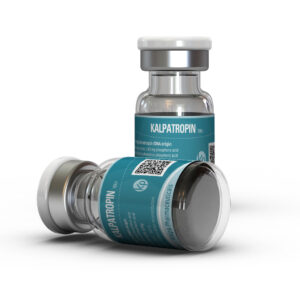
HGH, also known as somatropin when used as a pharmaceutical medicine, is a hormone involved in growth and metabolic regulation. The body naturally releases growth hormone in pulses, with production influenced by factors such as age, sleep, exercise, and other hormones.
Pharmaceutical growth hormone is manufactured using biotechnology and is prescribed for specific medical conditions under professional supervision.
Medical Uses of HGH
Growth hormone therapy has established medical applications for certain diagnosed hormone deficiencies and growth-related disorders. Depending on the patient and jurisdiction, approved indications may include growth hormone deficiency and selected conditions affecting normal growth.
Treatment decisions generally require medical assessment because symptoms associated with hormone abnormalities can have many different causes.
HGH and the Body
Growth hormone influences several biological processes. One of its important effects is stimulating the production of insulin-like growth factor 1 (IGF-1), which contributes to growth and tissue development.
HGH also interacts with pathways involved in protein metabolism, fat metabolism, bone development, and other physiological functions.
HGH in Fitness and Anti-Aging Discussions
Human growth hormone is frequently discussed in bodybuilding and anti-aging communities because of its relationship with muscle, fat metabolism, and tissue growth. However, claims made online about dramatic performance, muscle-building, or anti-aging effects may go beyond established medical evidence.
Using growth hormone without an appropriate medical indication can expose individuals to unnecessary health risks.
Potential Risks and Side Effects
Growth hormone treatment can produce side effects, particularly when used inappropriately or at excessive exposure. Potential complications may include fluid retention, joint or muscle discomfort, changes in glucose regulation, headaches, and increased pressure within tissues.
Long-term or inappropriate exposure can have more serious consequences. Medical monitoring is therefore important when HGH is prescribed.
HGH Quality and Regulatory Considerations
Not every product marketed online as HGH is equivalent to an approved pharmaceutical medicine. Products from unverified sources may have uncertain identity, potency, storage conditions, or sterility.
Regulations surrounding growth hormone also vary by country. Consumers should verify applicable laws and rely on legitimate medical and pharmaceutical sources.
Frequently Asked Questions
What does HGH do?
HGH supports normal growth and influences metabolism, tissue development, bone growth, and other physiological processes.
Is HGH naturally produced by the body?
Yes. The pituitary gland naturally produces and releases growth hormone throughout life, although production generally changes with age.
Is HGH a prescription medicine?
Pharmaceutical growth hormone is prescription-only in many countries and is approved for specific medical indications.
Is HGH safe for everyone?
No. Growth hormone is not appropriate for everyone. Its use should be based on a legitimate medical indication and professional evaluation.
Is HGH the same as steroids?
No. HGH is a peptide hormone, whereas anabolic steroids are synthetic compounds related to testosterone. They have different structures and biological mechanisms.
Important: This page is intended for educational and informational purposes only. It does not provide HGH dosing, injection instructions, bodybuilding protocols, or guidance for non-medical use. Anyone considering hormone treatment should consult a qualified healthcare professional.